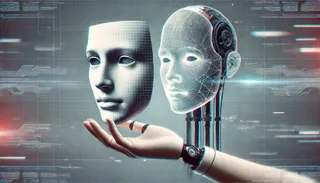
Can Machines Replace the Human Brain? – A Reflection on AI, Jobs, and the Future of Work
Share this article
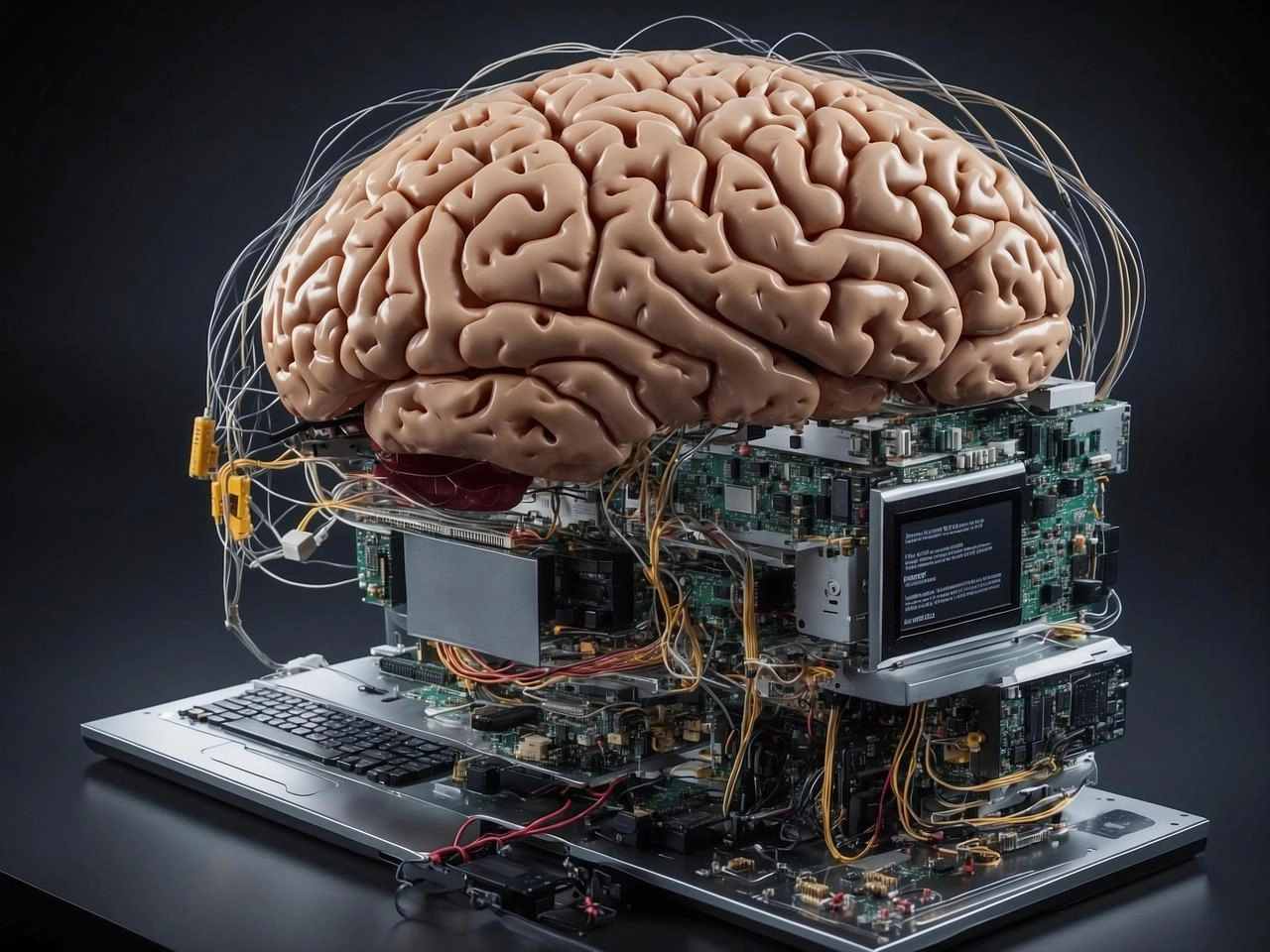
If machines can now think, what happens to the billions of human brains that still need to work?
The rise of artificial intelligence is slowly but surely transforming the way we live and work. I remember being strongly against the complete computerization of systems—not because I didn’t value innovation, but because I worried about the long-term impact on people. Back in the days of the Millennium Development Goals (MDGs), while volunteering with various Model UN NGOs, I was deeply concerned about the implications of rapid population growth. I kept asking: if billions more people are expected by 2030 or 2050, what will they eat—and even more urgently—what will they do?
In those years, I believed that like the Industrial Age, this era would naturally generate new jobs to match technological shifts. But the reality looks quite different. We’re now firmly in the age of advanced technology. Machines, AI, and automation are not just assisting us—they’re increasingly replacing us in everyday tasks. Just recently, I deposited a paper cheque from the comfort of my home using my phone. No need to walk into a bank. No human contact. A task that once required a person, now done by a machine in seconds.
This made me reflect again—especially as someone now working in business and data analytics. AI tools like generative models are revolutionizing how we analyze documents, process surveys, model business processes, and manage stakeholders. But can these tools really replace the human brain? Can they understand nuance, context, emotion, and ethics the way people do?
I don’t think so—not fully. While AI can simulate reasoning, it lacks the intuition that often guides human decisions. It doesn’t experience emotion. It can’t draw from a lifetime of memories or cultural cues. It won’t pause and rethink something out of moral responsibility. These are uniquely human qualities—and they still matter.
Of course, some jobs are disappearing, but we’re also seeing entirely new ones emerge—roles like AI ethicists, prompt engineers, and human-AI specialists. The issue now is whether our systems—especially education and workforce training—can move fast enough to reskill the population for these new demands. Because technology isn’t slowing down.
So maybe the bigger question isn’t whether machines will take our jobs—but how we can build a future where machines enhance human value, not erase it. The future of work shouldn’t just be about keeping up with machines—it should be about becoming more human than ever.