The Deceptive allure of AI-generated glamour
Share this article
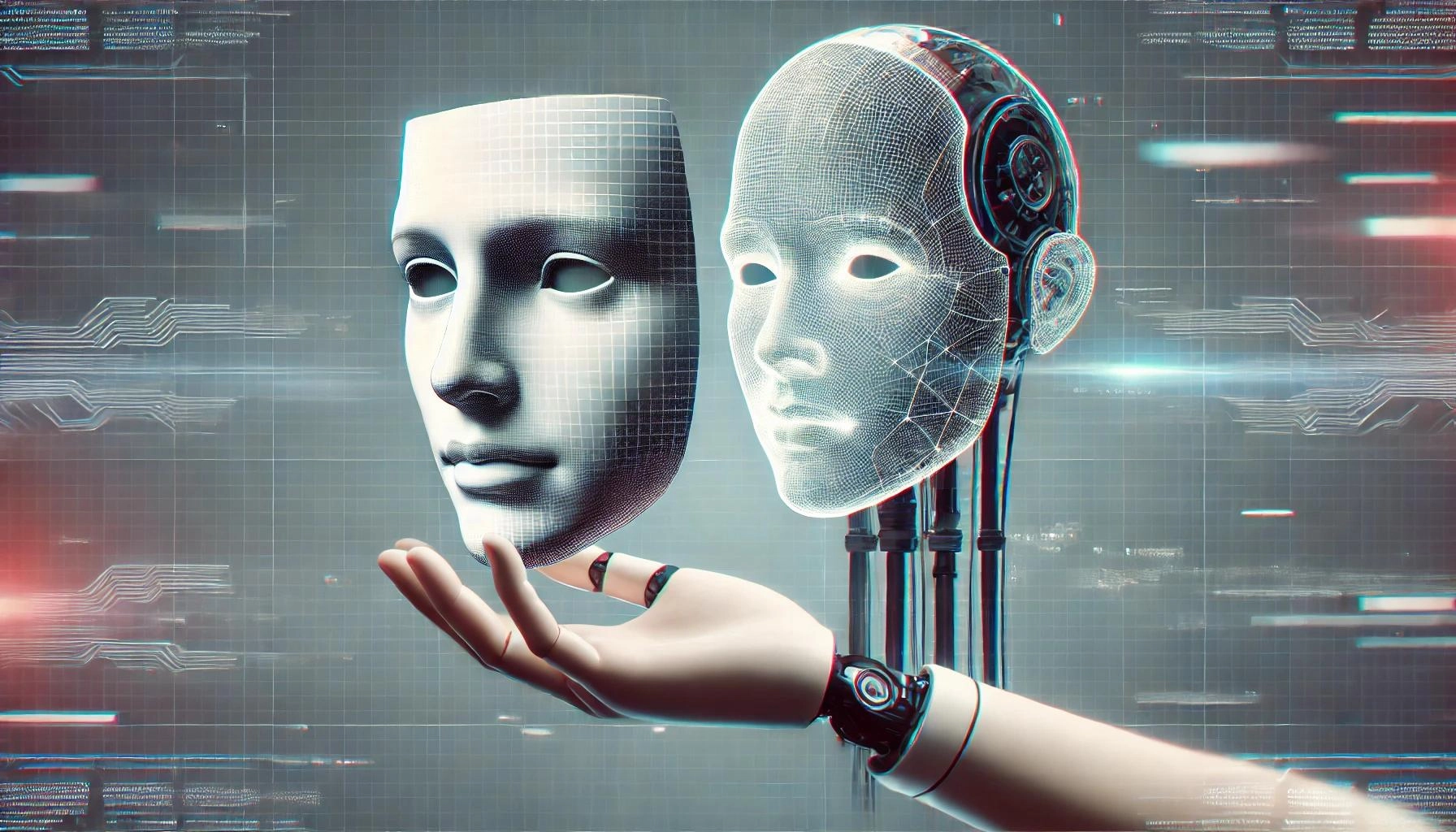
Artificial intelligence (AI) has become so advanced that it can create highly realistic but completely fake content. I recently came across a video of a strange-looking creature that seemed almost human. At first, it looked real, but after checking the comments, I realized it was AI-generated. This kind of content is everywhere now, making it harder to tell what is real and what isn’t. While these creations can be entertaining, they also raise serious concerns about deception and misinformation.
AI can also clone voices, making people say things they never actually said. We’ve seen deepfake videos of celebrities or public figures making shocking statements that turn out to be completely fake. At first, it might seem funny, but it becomes disturbing when scammers use the same technology to impersonate company executives and steal millions. Some businesses have already fallen victim to these scams, proving how dangerous AI-powered deception can be.
The problem with AI-generated content is that it often plays on emotions, making it easier to believe than plain facts or statistics. People are naturally drawn to compelling stories, and AI can create them at an alarming rate. This is why misinformation spreads so quickly—because it feels real. Without careful scrutiny, it’s easy to fall for a fake news story, a fabricated image, or a deepfake video.
Businesses and professionals need to stay ahead by being aware of these risks. Organizations should invest in AI detection tools, train employees to recognize AI-generated content, and implement strict verification processes. Business analysts, in particular, can help by assessing risks, improving security measures, and ensuring that companies have strategies in place to deal with digital deception.
As AI continues to evolve, critical thinking and digital literacy are more important than ever. We can’t believe everything we see or hear online. Whether for personal awareness or business security, questioning what’s presented to us can make a big difference in avoiding manipulation. AI may be powerful, but with the right approach, we can stay one step ahead.