Optimizing Performance: Applying the Yerkes-Dodson and Goldilocks Principles in Business Analysis
Share this article
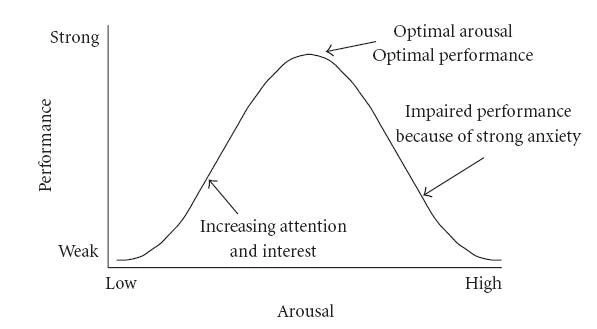
As business analysts, we often navigate complex problem-solving and high-stakes decision-making. Understanding the Yerkes-Dodson Law can be a game-changer in enhancing our performance and well-being. This psychological principle suggests that our efficiency improves with increased arousal up to an optimal point; beyond this, excessive stress can impair our judgment and productivity.
To harness this in our daily routines, it’s essential to manage our workload effectively. Breaking down large projects into manageable tasks and setting realistic deadlines can help maintain optimal arousal levels, ensuring we stay engaged without feeling overwhelmed. Regular self-assessment and priority adjustments are key to sustaining this balance, leading to improved outcomes and job satisfaction.
This approach aligns with the Goldilocks Principle, which advocates for conditions that are “just right.” By calibrating our responsibilities and stressors to this balanced state, we create an environment conducive to sustained motivation and effective problem-solving. For example, when juggling multiple projects, prioritizing tasks that are challenging yet achievable keeps us motivated without causing undue stress.
For fellow professionals, consider integrating these principles into your workflow. Utilize project management tools to visualize workloads and deadlines, facilitating better balance. Engage in open communication with your team and supervisors about your capacity to foster a supportive environment where tasks are distributed equitably. By doing so, we can all operate within our optimal performance zones, enhancing both personal well-being and organizational success.