Speed vs Direction: Choosing Purpose Over Pace
Share this article
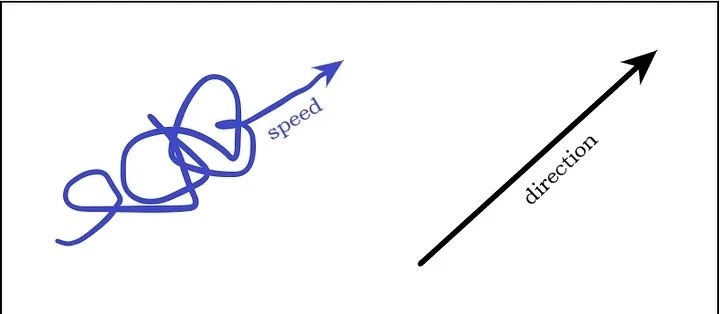
Sometimes life moves so fast that we barely stop to breathe, let alone think. You get that long-awaited university admission, a visa approval, the job you prayed for, or the relationship that finally feels right—and you’re off, running at full speed. But in the middle of all the excitement, there’s a quiet voice asking: Is this really the direction I want to go?
We often confuse motion with progress, speed with success. But just because you’re moving doesn’t mean you’re moving forward. A car speeding down the wrong road isn’t getting any closer to its destination, no matter how fast it’s going. In the same way, you can be ticking all the boxes—degree, job, salary, house, marriage—and still be far away from purpose. The danger lies in mistaking busyness for meaning.
Think of someone who spent years studying to become a doctor, only to realise midway through residency that their passion was in art or entrepreneurship. Or someone who climbed the corporate ladder diligently, only to reach the top and feel completely empty. They were moving, no doubt. But were they moving in the direction of their calling? That’s where the difference lies.
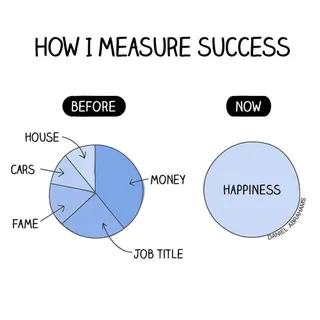
Direction requires clarity, intentionality, and the courage to say no to what looks good in order to pursue what is right. It forces you to stop and evaluate—not just what you’re doing, but why you’re doing it. Speed, on the other hand, often thrives on noise. It feeds off external validation—social media likes, salary raises, job titles—and can easily drown out your inner compass.
Comparison is the fuel that powers this false sense of progress. We see someone buying a house, relocating abroad, getting married, starting a business—and we panic. We forget that their path has nothing to do with ours. Two people can be the same age, have similar qualifications, even live on the same street—but be heading in completely different directions. One may be running fast but going in circles; the other may be moving slowly but purposefully, with clarity and peace.
Life has a way of humbling us when we confuse hustle with alignment. That’s why some of the most fulfilled people are not necessarily the richest or the fastest movers. They’re the ones who have taken time to understand where they’re going and why. They may not have everything figured out, but they’re not afraid to pause, recalibrate, and take the scenic route if that’s what their journey requires.
At the end of the day, speed without direction is like running on a treadmill—lots of movement, but no real progress. It is not how fast you go that matters; it’s whether you’re headed where your soul truly wants to be. Life is too short to be aimlessly fast. Be sure. Be aligned. Then move—with purpose.