The Candy That Changes How We Work
Share this article
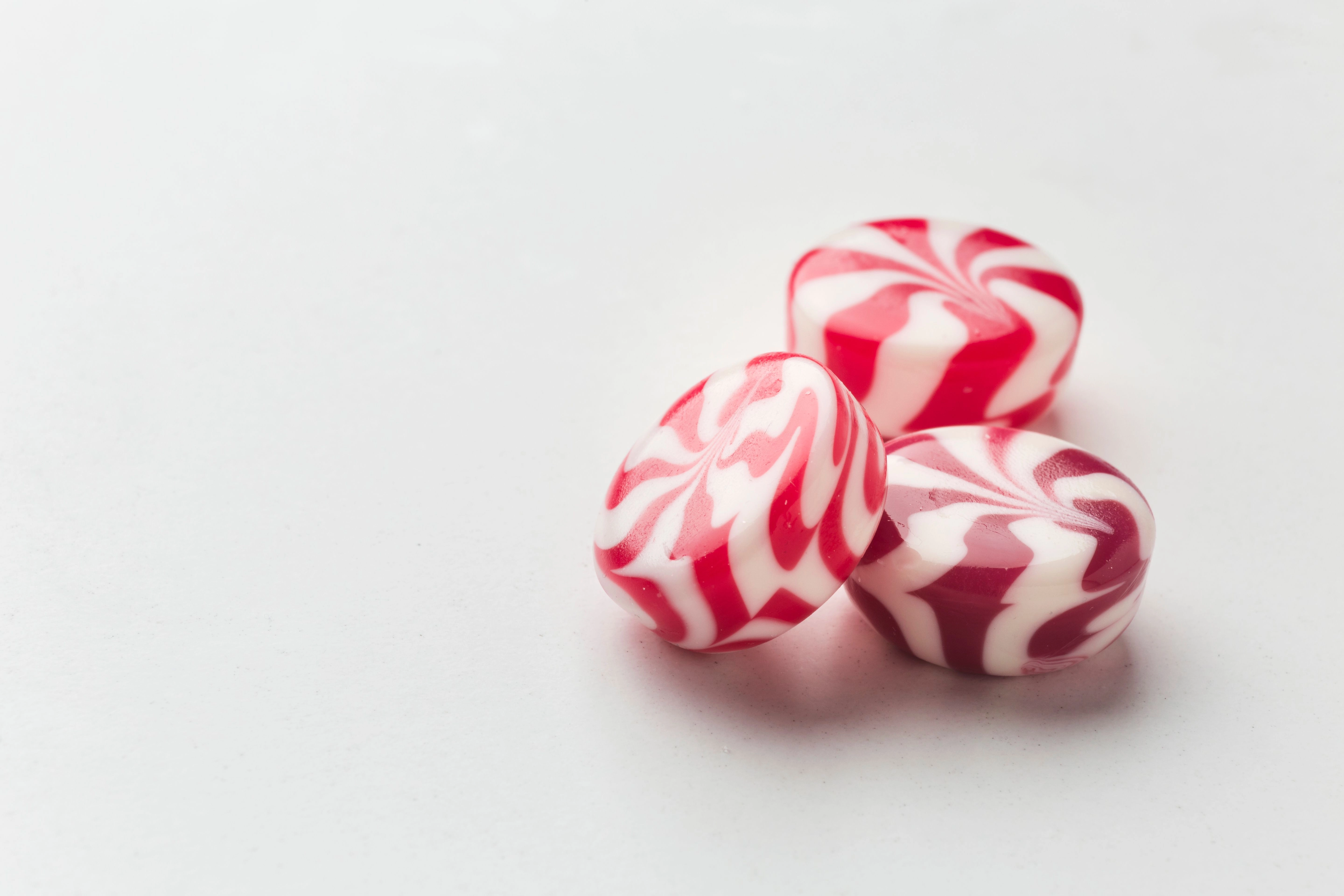
I recently came across a fascinating study by psychologist Alice Isen that made me rethink how our emotions influence performance. In one of her experiments, she gave participants a small gift, like a piece of candy, just before asking them to solve a few problems. Surprisingly, those who received the gift consistently performed better. That small shift in mood helped them think more clearly and creatively. It was a powerful reminder that how we feel directly affects how well we function.
We often talk about personal development like it is all about discipline, structure, and willpower. But we rarely talk about mood as a key part of growth. Think about those times you tried to learn something new while feeling frustrated or overwhelmed. Everything feels harder. Now think about when you felt just a little better, maybe after hearing good news or enjoying a brief conversation. Things just flow easier. You become more curious, more open, and less afraid of getting things wrong. That is what Isen’s research shows us—feeling better helps us grow better.
The same thing plays out in the workplace. I have seen it myself. A room full of people in low energy barely gets through a meeting. But add a bit of humour, encouragement, or simple appreciation, and suddenly ideas start flying. People open up. Discussions become productive. Whether you lead a team or work independently, emotional tone sets the pace. Good energy creates good work. And it does not have to be big or dramatic. Sometimes, a moment of kindness or recognition is all it takes to shift the mood.
Even when it comes to productivity, the lesson is clear. We usually think the solution is more hours or tighter schedules. But sometimes the real unlock is how you feel. I once spent a whole morning stuck on a report, staring at the screen with no progress. I took a break, laughed on a call with a friend, and came back to finish it in thirty minutes. It was not a time problem. It was a mood problem. When we feel good, we do better. Simple as that.
So how do we apply this? Start noticing what lifts your mood, even in small ways. A walk. A song. A funny video. A short chat with someone who gets you. Make these part of your routine, especially before important work. For example, before you prepare for a big meeting or presentation, give yourself five minutes of something joyful. It is not a luxury. It is a tool. If a piece of candy could unlock better thinking, imagine what consistent joy can do over time.