The Overlooked Link Between Functional Decomposition, Scope Creep, and Budget Inefficiency
Share this article
Lately, I’ve been thinking about how many project issues actually come from missing the basics we tend to overlook. One such concept is functional decomposition. While it may sound technical or dry, it is an essential backbone of effective project management—and when not done right, it becomes the gateway to scope creep, budget overruns, and overall inefficiency.
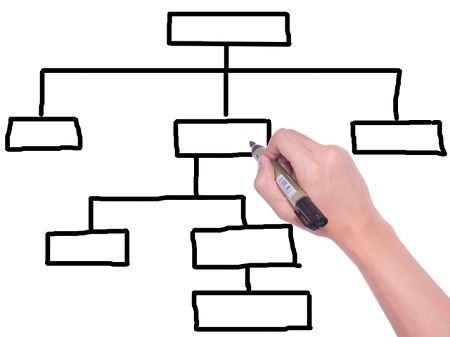
Functional decomposition is the process of breaking down a project’s goals or deliverables into smaller, more manageable components. It’s like trying to understand a complex machine by taking it apart and seeing how each part functions. Without this clarity, you’re not just guessing—you’re essentially navigating without a map. I’ve seen firsthand how teams begin with a high-level goal like “build a reporting dashboard,” and, without proper decomposition, overlook critical elements like user roles, data sources, security layers, and testing environments. These omissions later come back as “urgent requirements,” distorting the original scope.
This is where scope creep finds its perfect opportunity. When functions aren’t well-defined, stakeholders naturally request additions they assumed were already included. From their perspective, these changes seem small, but in execution, they ripple into major shifts in priorities and resource planning. Suddenly, a project that seemed on track is now dealing with rework, unclear expectations, and competing demands, all because the foundation wasn’t granular enough from the start.
And then there’s the budget. With imprecise decomposition, estimates are usually built on broad assumptions. You can’t accurately cost a task you don’t fully understand. As components get added or redefined mid-project, the budget balloons, deadlines stretch, and teams scramble to realign. In a world where efficiency is critical, these avoidable errors translate into real losses—both financial and reputational.
This reflection reminded me how deeply intertwined these concepts are. It’s not just about applying a method, but about embedding a mindset of clarity, precision, and foresight into every phase of a project. Whether you’re a project manager, analyst, or product owner, never underestimate the power of breaking things down properly—it’s not just a technical step; it’s a strategic advantage.