The Outliers Effect: How a Few Events Can Drive Massive Impact
Share this article
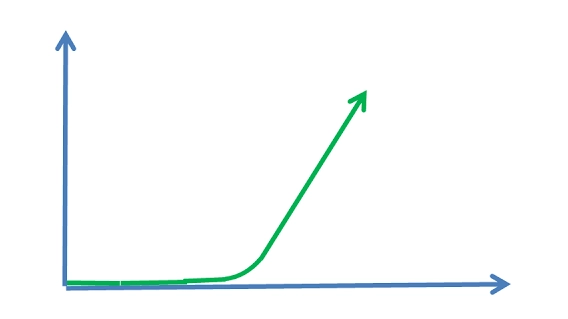
In business, career growth, and personal development, a few key moments often have an outsized impact. This is what I call the Outliers Effect—the idea that a handful of decisions, events, or circumstances can shape an entire trajectory. Companies like Apple and Netflix didn’t just grow steadily over time; they made bold, defining moves that changed everything. The launch of the iPhone transformed Apple into a trillion-dollar company, while Netflix’s shift to streaming disrupted the entertainment industry. These weren’t gradual, predictable steps; they were high-impact moments that altered the course of history. Understanding this effect helps us recognize that sometimes, success is about seizing the right opportunity at the right time.
The same principle applies to personal growth and career advancement. Many high achievers aren’t just hardworking—they had defining moments that set them apart. Bill Gates gained early access to computers when most people hadn’t even seen one, allowing him to develop skills that later led to Microsoft. Oprah Winfrey got her big break when she was given a chance to host a local talk show—one opportunity that changed her life forever. The lesson here is simple: while consistency and effort matter, being prepared for the rare, career-changing moment is just as important. Recognizing and acting on these moments can set people apart as outliers in their fields.
In performance and business strategy, small but high-impact decisions can also create massive long-term success. The British cycling team became dominant not through drastic changes but by improving everything by just 1%—better sleep, better bike designs, better nutrition. Over time, these small changes compounded into something extraordinary. Businesses that apply this approach—fine-tuning processes, optimizing operations, and continuously refining their customer experience—often outperform competitors in ways that seem sudden but are actually the result of strategic, incremental improvements. The key is knowing which small shifts will create the biggest impact.
For business analysts and decision-makers, the Outliers Effect is a reminder that outliers in data often hold the most valuable insights. A sudden spike in customer interest, an unexpected market shift, or an unusual pattern in financial transactions could signal an opportunity or a risk. Instead of dismissing anomalies, the best analysts dig deeper, asking “Why?” and “What if?” Outliers often reveal the future before the trend becomes mainstream. Whether in business, career growth, or performance planning, recognizing and leveraging these rare, high-impact moments is the difference between following the trend and setting it.